Are Varicose Veins Covered by Insurance? Discover the Advantages of Vein Treatment
Varicose veins can be more than just a cosmetic concern—they often signal deeper circulatory problems. While many people want to treat varicose veins to improve their appearance, others seek relief from pain, swelling, and other uncomfortable symptoms. Naturally, one of the first questions people ask is: Are varicose veins covered by insurance? The answer often depends on the type of treatment and whether the condition is considered medically necessary. Let’s explore the benefits of vein treatment, understand how insurance coverage works, and see what steps you can take to improve your vein health without breaking the bank.
Understanding Varicose Veins and Their Impact
Varicose veins are enlarged, twisted veins that commonly appear in the legs and feet. They occur when valves in the veins malfunction, causing blood to pool rather than flow efficiently back to the heart. This can lead to a variety of symptoms such as:
- Aching or throbbing pain
- Swelling and heaviness in the legs
- Skin discoloration
- Itching or burning sensations
- Ulcers near the ankles in severe cases
These symptoms can worsen over time if left untreated. That’s why timely vein treatment is not just about aesthetics—it’s about improving quality of life and preventing complications.
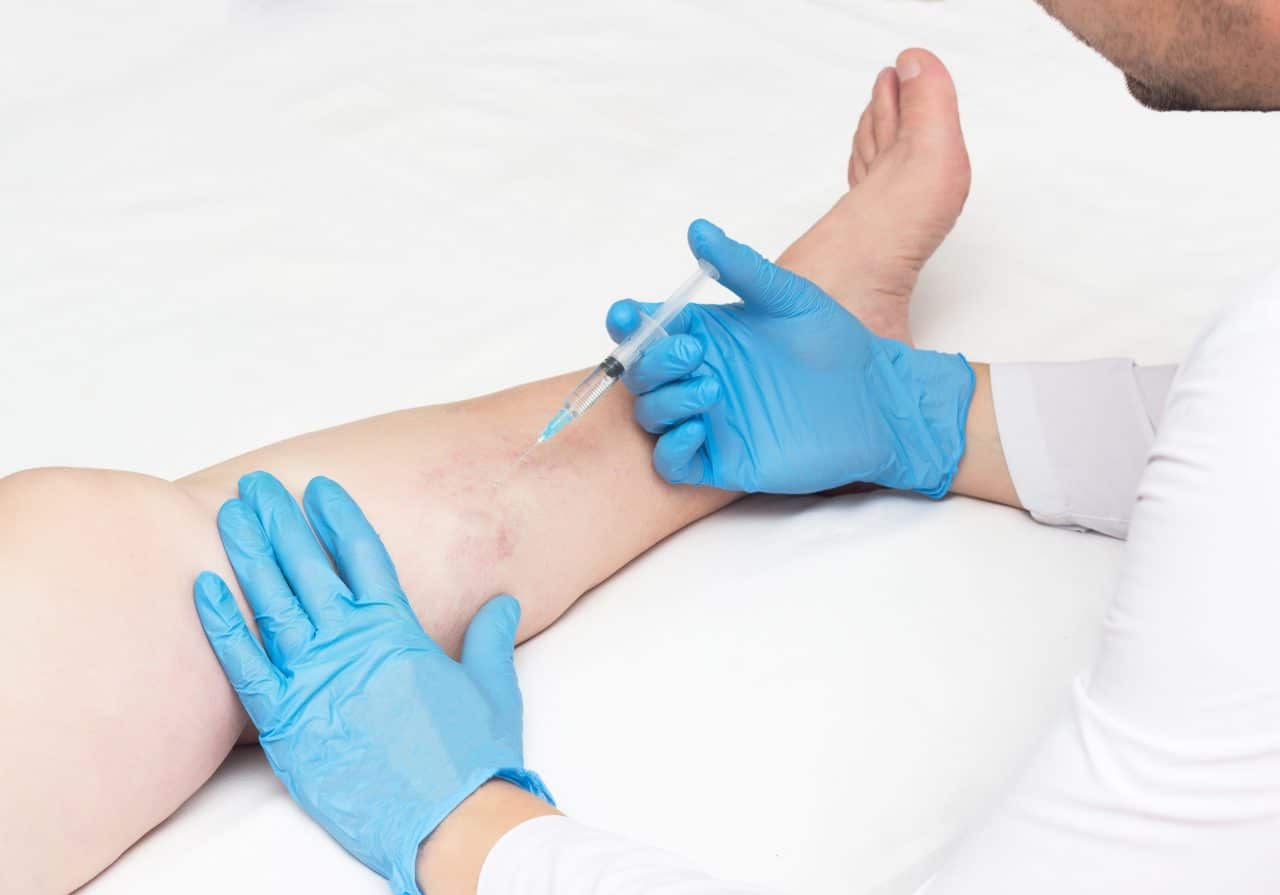
What Is Vein Treatment?
Vein treatment includes a range of medical procedures designed to eliminate varicose veins, improve circulation, and reduce symptoms. Some of the most common treatments include:
- Sclerotherapy: A solution is injected into the vein to collapse it.
- Endovenous Laser Therapy (EVLT): A laser fiber is inserted into the vein to seal it shut.
- Radiofrequency Ablation (RFA): Uses radiofrequency energy to close off problematic veins.
- Vein stripping and ligation: A more invasive surgical approach used for severe cases.
- Compression stockings: Often recommended as a first-line, non-invasive option.
Many modern vein treatments are minimally invasive and can be done on an outpatient basis with little downtime.
Are Varicose Veins Covered by Insurance?
Here’s the good news: Insurance often covers vein treatment when it is deemed medically necessary. That means if your varicose veins are causing symptoms like pain, swelling, or ulcers, your insurance provider is more likely to approve the procedure.
However, if you're only seeking treatment for cosmetic reasons, insurance typically will not cover the cost. That’s why it’s important to undergo an evaluation by a qualified vein specialist who can document your symptoms and provide medical evidence of your condition.
Most insurance companies require:
- A detailed ultrasound mapping of the veins
- Proof that conservative treatment (like wearing compression stockings) has been tried for several weeks or months
- Medical documentation of symptoms affecting your daily life
With these steps, your provider can submit a preauthorization request to your insurance carrier, increasing your chances of approval.
How to Get Insurance to Cover Your Vein Treatment
Here’s a simple roadmap you can follow:
- Schedule a consultation with a vein specialist: Choose a clinic or doctor that regularly works with insurance companies.
- Get a diagnostic ultrasound: This helps pinpoint the affected veins and confirms whether medical treatment is needed.
- Follow conservative care first: Most insurers require a trial period with compression stockings or lifestyle changes.
- Document your symptoms: Keep a record of leg pain, swelling, or other issues you’re experiencing.
- Submit preauthorization: Your vein clinic usually handles this process on your behalf.
Being proactive and organized will help you navigate the insurance process more smoothly.

Benefits of Timely Vein Treatment
When covered by insurance, Vein Treatment New Jersey becomes more accessible and can greatly improve your health and comfort. Some of the major advantages include:
- Pain relief: Treatments can eliminate aching and throbbing in the legs.
- Improved mobility: You’ll likely find walking and standing easier and less fatiguing.
- Better appearance: Many patients appreciate the cosmetic improvement as a bonus.
- Prevention of complications: Treating varicose veins early helps avoid ulcers, bleeding, and chronic skin changes.
Final Thoughts:
So, are varicose veins covered by insurance? Yes—if they’re causing medical symptoms and are properly diagnosed, many insurance providers will approve vein treatment. Don’t let fear of cost stop you from seeking care. Work with an experienced vein specialist who understands the insurance process and can guide you every step of the way.
Vein treatment is about more than just how your legs look—it’s about how you feel. And if you’re experiencing symptoms, it’s worth checking your insurance benefits and exploring your options. Relief might be closer (and more affordable) than you think.
Would you like me to help you tailor this for a blog, clinic website, or a specific audience?


Comments
Post a Comment