What Kind of Doctor is a Vein Specialist?
Vein issues are more common than most people realize. Whether it's spider veins, varicose veins, or chronic venous insufficiency, millions suffer silently without knowing who to consult. So, what kind of doctor is a vein specialist, and when should you visit a vein treatment center?
Let’s break it down and help you understand who these specialists are, what they do, and how a vein treatment center plays a crucial role in your vascular health.
Understanding a Vein Treatment Center
A vein treatment center is a specialized medical facility focused on diagnosing and treating venous disorders. These centers use advanced imaging and non-surgical techniques to manage a wide range of conditions, including:
- Varicose veins
- Spider veins
- Deep vein thrombosis (DVT)
- Leg swelling and pain
- Chronic venous insufficiency
You’ll find experienced doctors and staff at these centers who work together to restore vein health using state-of-the-art technology.
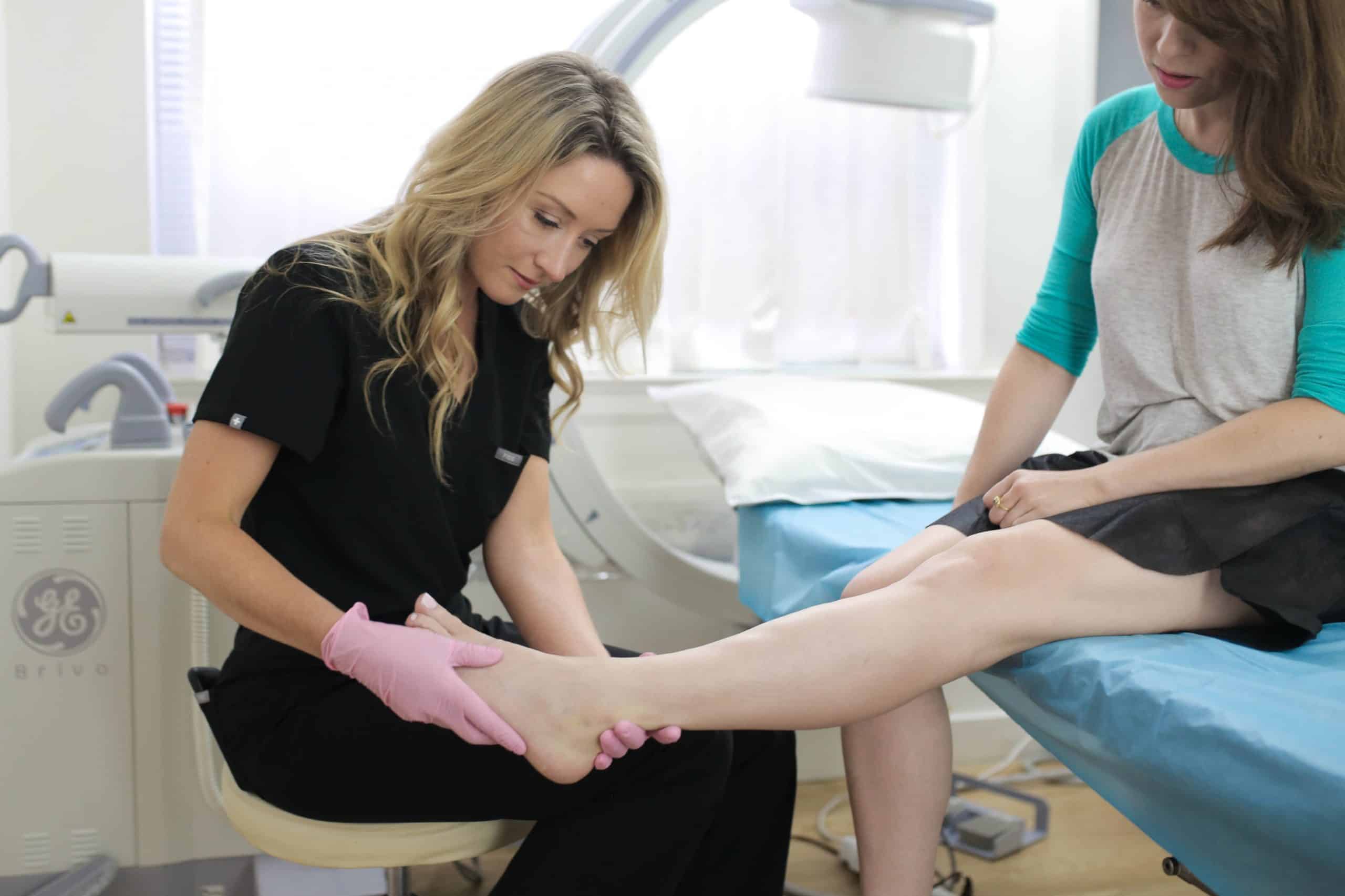
Who is a Vein Specialist?
A vein specialist is a medical doctor with advanced training in vascular medicine, phlebology (the study of veins), or related fields. Most vein specialists come from one of three primary backgrounds:
1. Vascular Surgeons
Vascular surgeons are board-certified physicians trained in surgery and non-surgical procedures for blood vessels. They are equipped to treat severe cases like varicose veins, venous ulcers, and DVT. Many vascular surgeons operate within a vein treatment center where they handle complex procedures and oversee long-term patient care.
2. Interventional Radiologists
These specialists use imaging technology to perform minimally invasive procedures, such as sclerotherapy, radiofrequency ablation, or endovenous laser therapy (EVLT). Interventional radiologists are a key part of many vein treatment centers due to their expertise in non-surgical techniques.
3. Phlebologists
Phlebology is a medical field dedicated solely to vein health. Though not a formal board-certified specialty, many licensed physicians pursue additional certification through the American Board of Venous & Lymphatic Medicine (ABVLM). Phlebologists typically work in vein treatment centers and focus on less invasive therapies for cosmetic or functional vein issues.
When Should You Visit a Vein Treatment Center?
Many people wait too long to address vein problems, thinking they’re just cosmetic. However, symptoms like aching legs, heaviness, swelling, itching, or visible veins can signal deeper circulatory issues. If you experience any of the following, it’s time to schedule a consultation:
- Persistent leg pain or fatigue
- Bulging or twisted veins
- Skin discoloration around the ankles
- Open sores or ulcers on your legs
- A family history of vein disorders
Visiting a vein treatment center early helps prevent complications and ensures faster, less invasive treatment.
What Happens During a Vein Specialist Consultation?
When you visit a vein treatment center, your first appointment involves a comprehensive evaluation. The specialist will:
- Review your medical history
- Conduct a physical exam
- Perform an ultrasound or other imaging tests to check blood flow
Once they identify the issue, the vein specialist will explain your treatment options and tailor a plan that fits your needs and lifestyle.
Common Vein Treatments Offered
Modern vein treatment centers use advanced methods that are minimally invasive, requiring little to no downtime. Some popular treatments include:
- Sclerotherapy – Injection of a solution to close small veins
- Endovenous Laser Therapy (EVLT) – Laser used inside the vein to seal it shut
- Radiofrequency Ablation – Heat energy used to close off damaged veins
- Microphlebectomy – Removal of veins through tiny skin incisions
- Compression Therapy – Use of medical-grade stockings to improve blood flow
These procedures are performed in-office and usually take less than an hour.

Benefits of Choosing a Dedicated Vein Treatment Center
Choosing a specialized vein treatment center offers several advantages:
- Access to experienced vein specialists
- Latest diagnostic tools and technology
- Custom treatment plans
- Minimally invasive procedures
- Faster recovery times
- Personalized patient care
Because these centers focus solely on vein health, they deliver more accurate diagnoses and better long-term outcomes.
Final Thoughts
So, what kind of doctor is a vein specialist? They're often vascular surgeons, interventional radiologists, or phlebologists—doctors with specialized training in diagnosing and treating vein-related conditions. And the best place to find one? A reputable vein treatment center .
Don’t let vein issues go untreated. Early diagnosis and proper care from a qualified vein specialist can significantly improve your quality of life. Visit a trusted vein treatment center to take the first step toward healthier, pain-free legs.
Would you like me to format this as an SEO-optimized blog post with meta descriptions and headings for your website?


Comments
Post a Comment