What Kind of Doctor is a Vein Specialist?
Vein treatment doctors play a crucial role in diagnosing and treating various venous conditions that affect millions of people worldwide. From varicose veins to deep vein thrombosis, these specialized professionals offer both medical and cosmetic solutions. But what kind of doctor is a vein specialist, and what should you expect when seeking vein care? This article answers these questions while highlighting the qualifications, procedures, and benefits of consulting vein treatment doctors.
Understanding the Role of Vein Treatment Doctors
Vein treatment doctors are medical professionals who specialize in diagnosing and managing disorders of the veins. These specialists are often trained in areas such as vascular surgery, interventional radiology, or phlebology—the branch of medicine focused specifically on vein health.
Their primary goal is to improve vein function and alleviate symptoms related to venous insufficiency, such as swelling, pain, fatigue, or skin changes. Additionally, many vein treatment doctors offer cosmetic procedures to reduce the appearance of spider veins and varicose veins.
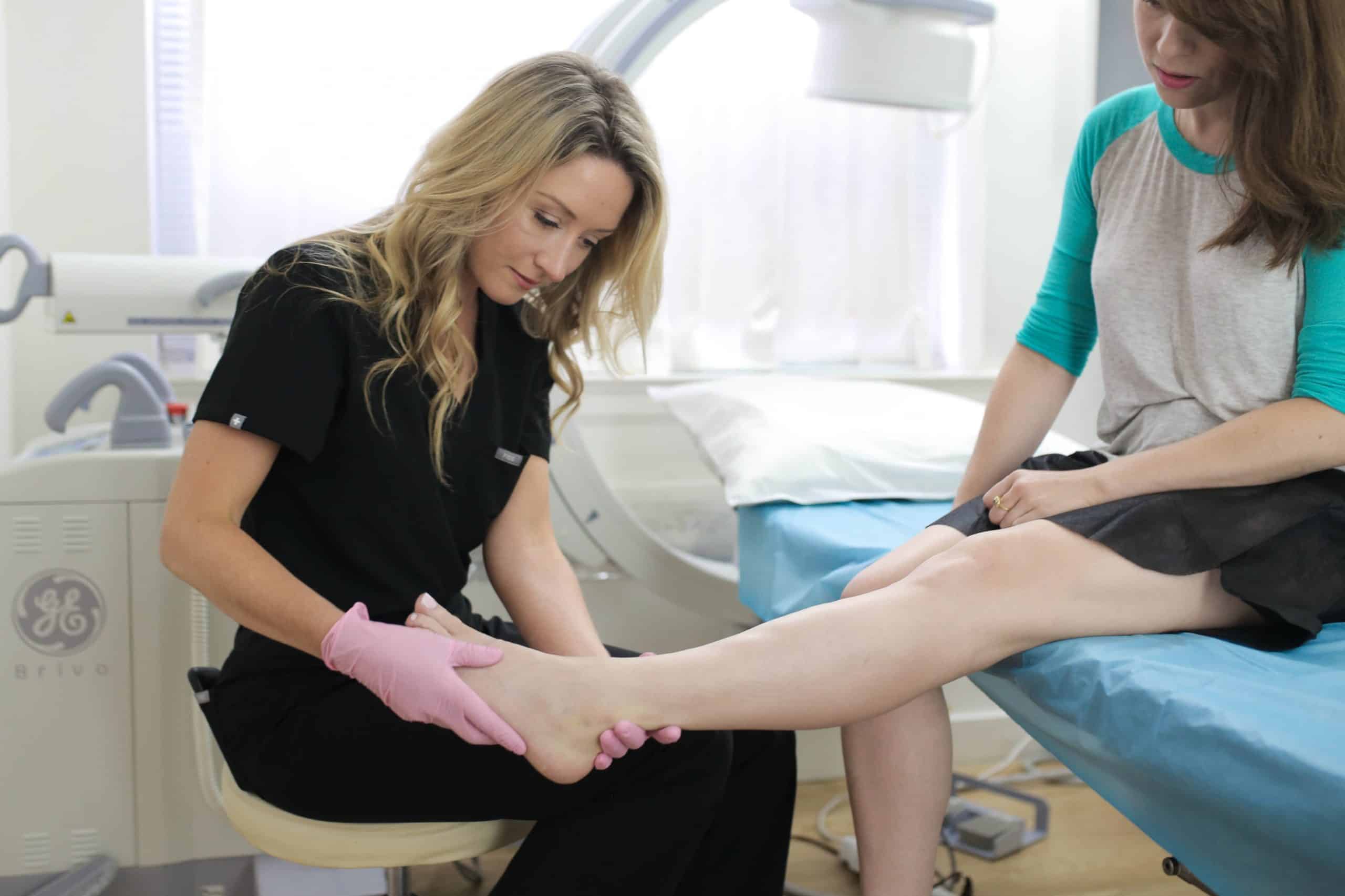
What Are the Qualifications of Vein Treatment Doctors?
Most vein treatment doctors start their careers in general medicine or surgery before undergoing advanced training in vascular specialties. Common backgrounds include:
· Vascular surgeons: Trained to perform surgeries on blood vessels, including minimally invasive vein procedures.
· Interventional radiologists: Experts in image-guided procedures who can treat vein issues using non-surgical methods.
· Phlebologists: Specialists who focus exclusively on vein care and often pursue certification from boards like the American Board of Venous & Lymphatic Medicine.
No matter their initial specialty, all qualified vein treatment doctors have hands-on experience in diagnosing and treating vein-related conditions. They use state-of-the-art tools such as ultrasound imaging and minimally invasive techniques to ensure accurate diagnosis and effective treatment.
Conditions Treated by Vein Treatment Doctors
Vein specialists handle a wide range of venous disorders. Some of the most common include:
· Varicose veins: Enlarged, twisted veins that often appear in the legs.
· Spider veins: Small, damaged veins that appear as red or blue web-like patterns on the skin.
· Chronic venous insufficiency: A condition in which veins fail to return blood efficiently to the heart.
· Deep vein thrombosis (DVT): A serious condition involving blood clots in deep veins, usually in the legs.
· Venous ulcers: Painful sores on the skin caused by poor blood circulation.
By consulting vein treatment doctors, patients receive personalized care tailored to their specific condition and health history.
Modern Treatments Offered by Vein Specialists
Today’s vein treatment doctors offer a variety of minimally invasive treatments with little to no downtime. Some of the most effective procedures include:
· Endovenous laser therapy (EVLT): A laser fiber is inserted into the vein to seal it shut.
· Radiofrequency ablation (RFA): Uses heat to close problematic veins.
· Sclerotherapy: A solution is injected into spider or varicose veins, causing them to collapse and fade.
· Microphlebectomy: Tiny incisions are made to remove large varicose veins.
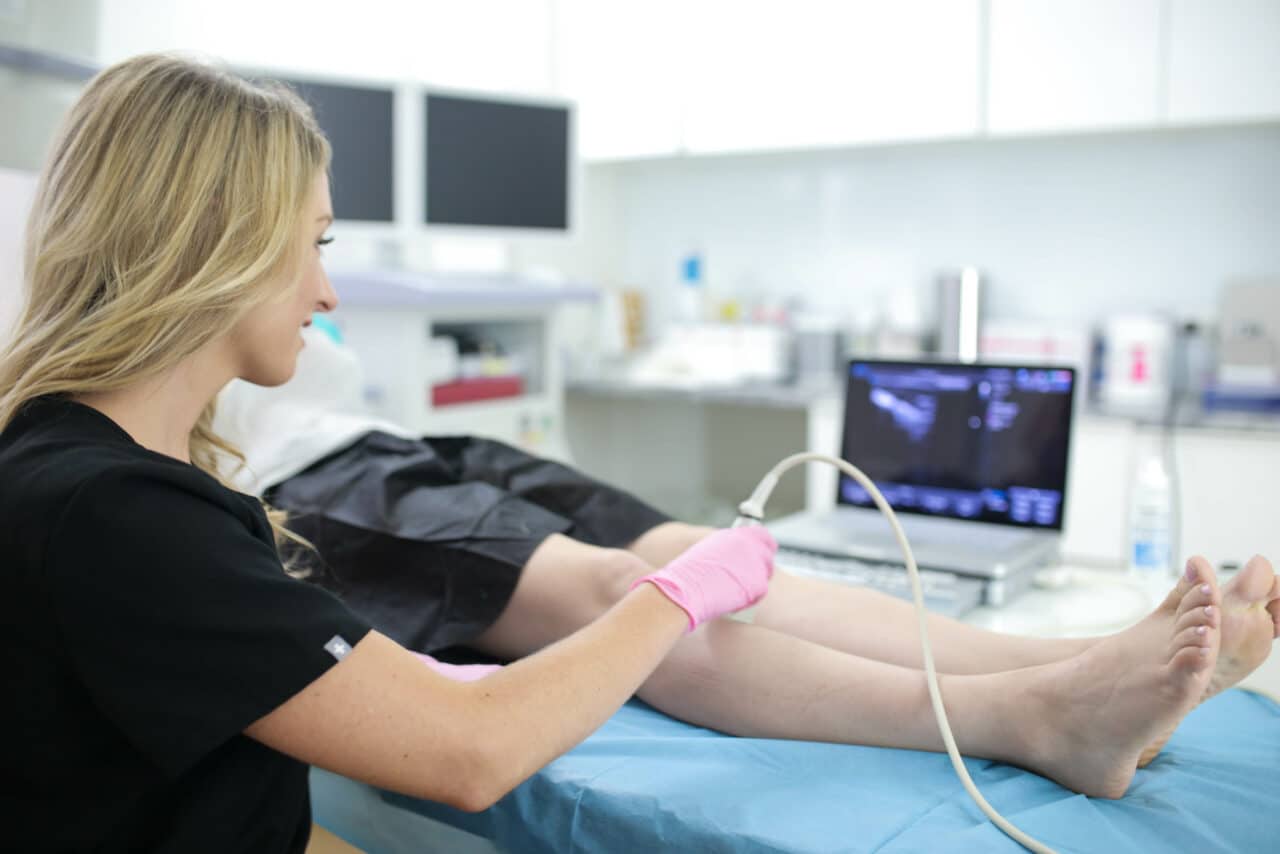
· Ultrasound-guided treatments: Help ensure accuracy and safety during procedures.
These treatments are typically performed in outpatient settings and take less than an hour. Most patients return to their daily activities the same day.
Why You Should See a Vein Specialist
Many people ignore early signs of vein problems, assuming they’re cosmetic or age-related. However, untreated vein issues can lead to serious health complications, including blood clots, ulcers, and chronic leg pain.
Visiting vein treatment doctors can help prevent these problems before they worsen. These specialists not only address visible symptoms but also improve your overall vascular health.
Here are a few reasons to consider seeing a vein specialist:
· Persistent leg pain or heaviness
· Swelling in the ankles or calves
· Visible veins that are painful or itchy
· Skin discoloration or ulcers near the ankles
· A family history of vein disease
The earlier you seek treatment, the more options you'll have—and the better your results will be.
What to Expect During a Consultation
Your first visit to a vein specialist typically includes a detailed medical history, physical exam, and ultrasound imaging. This evaluation helps determine the severity of your condition and the best course of treatment.
Vein treatment doctors will then discuss your options and explain the benefits and risks of each procedure. Many clinics accept insurance for medically necessary treatments, so it’s worth asking about coverage during your consultation.
Choosing the Right Vein Treatment Doctor
When selecting a specialist, look for:
· Board certification in vascular surgery, interventional radiology, or phlebology
· Experience with modern, minimally invasive treatments
· Positive patient reviews and testimonials
· Transparent pricing and insurance support
· A personalized, compassionate approach to care
A skilled vein doctor will not only treat your condition but also educate you on long-term vein health, including lifestyle changes, compression therapy, and preventive measures.
Conclusion
If you're dealing with leg discomfort, swelling, or unsightly veins, it’s time to consult a professional. Vein treatment doctors specialize in diagnosing and treating vein conditions with precision and care. With today’s technology, you don’t have to suffer in silence or accept visible veins as inevitable. A visit to a vein specialist can restore your comfort, confidence, and health—starting from the very first appointment.


Comments
Post a Comment