Are Varicose Veins Covered by Insurance? What You Need to Know Before Seeing Vein Treatment Doctors
Varicose veins are more than just a cosmetic concern. They can lead to discomfort, swelling, pain, and even serious medical complications if left untreated. But the big question for many patients is: Are varicose veins covered by insurance? The answer can vary based on several factors. This guide will help you understand insurance coverage and how vein treatment doctors can support your journey toward healthier legs.
Understanding Varicose Veins: A Medical Issue or Cosmetic Concern?
Before exploring insurance coverage, it's important to understand how varicose veins are classified. These twisted, enlarged veins typically occur in the legs due to weakened vein walls and valves. While some people experience only mild symptoms, others suffer from:
- Pain or heaviness in the legs
- Swelling or inflammation
- Skin discoloration or ulcers
- Burning or itching sensations
When symptoms affect daily life, varicose veins are considered a medical condition rather than a cosmetic one. That distinction plays a major role in determining whether your treatment will be covered by insurance.
When Does Insurance Cover Varicose Vein Treatment?
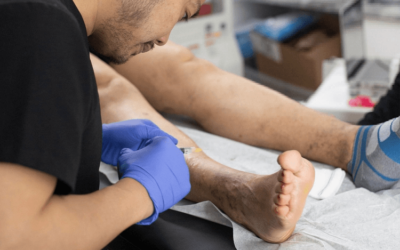
Most insurance providers—whether private or through programs like Medicare—may cover varicose vein treatment when it’s deemed medically necessary. This means the procedure is not just for appearance but aims to relieve symptoms or prevent further complications.
You are more likely to receive coverage if you meet the following criteria:
- Documented pain, swelling, or other physical symptoms
- Diagnosis of chronic venous insufficiency or related conditions
- Skin ulcers or significant skin changes due to poor circulation
- Evidence of failed conservative treatments (e.g., compression stockings)
In such cases, your vein treatment doctors can submit medical records, ultrasound results, and photos to demonstrate the need for treatment.
Types of Vein Treatments Often Covered by Insurance
If your varicose veins meet medical necessity guidelines, insurance may cover various modern procedures, including:
- Endovenous laser therapy (EVLT): A minimally invasive procedure that closes off faulty veins using laser energy.
- Radiofrequency ablation (RFA): Similar to EVLT but uses radiofrequency instead of lasers.
- Sclerotherapy: An injectable solution that causes the vein to collapse and fade, especially for smaller varicose veins and spider veins.
- Ambulatory phlebectomy: A surgical procedure where bulging veins are removed through tiny incisions.
These treatments are typically performed in-office by specialized vein treatment doctors and require minimal downtime.
Steps to Take for Insurance Approval
To increase the chances of getting your varicose vein treatment covered by insurance, follow these essential steps:
1. Schedule a Consultation With a Vein Specialist
Start by seeing experienced vein treatment doctors. They will assess your symptoms, perform a diagnostic ultrasound, and determine the severity of your vein disease.
2. Document Symptoms and Prior Treatments
Keep a record of your symptoms, how they affect your life, and any previous attempts to manage them. Many insurers require a trial period of conservative treatment, such as:
- Wearing compression stockings
- Elevating legs
- Over-the-counter pain relief
- Lifestyle changes like weight loss or increased physical activity
3. Work With Your Doctor to Submit Pre-Authorization
Your vein doctor will gather all necessary medical evidence and submit a pre-authorization request to your insurance provider. This documentation may include:
- Ultrasound reports
- Photos of the affected veins
- Clinical notes
- Treatment history
Be patient—this process can take several days to a few weeks.
When Insurance Might Not Cover Treatment
There are cases when insurance may deny coverage, particularly when the treatment is purely for cosmetic purposes. For instance, spider veins that don’t cause discomfort are rarely considered medically necessary. Additionally, insurance may not cover certain procedures unless all conservative options have been tried and failed.
If your treatment is denied, discuss options with your doctor. You may be able to appeal the decision or explore payment plans and financing.
Choosing the Right Vein Treatment Doctors Matters
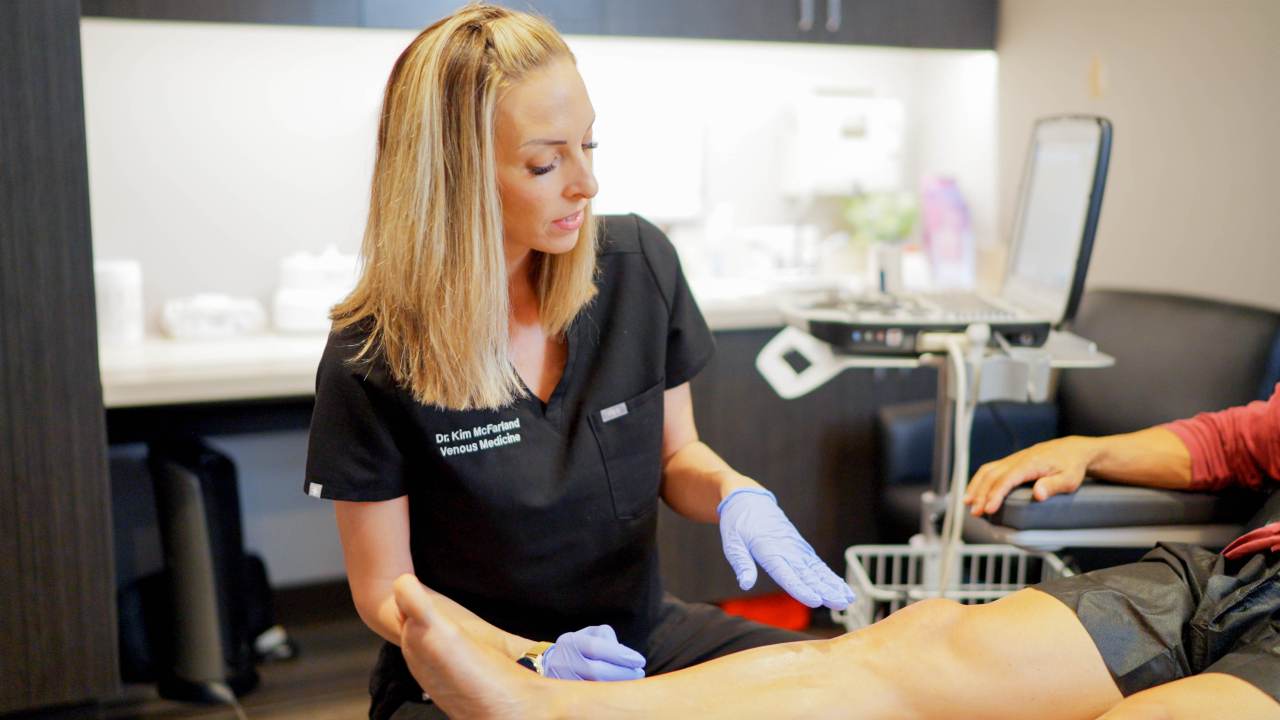
Choosing board-certified vein treatment doctors is crucial. These specialists not only provide expert care but also understand the complexities of insurance policies. They can guide you through documentation, pre-authorization, and appeals—maximizing your chance of coverage.
Look for clinics that:
- Offer in-house diagnostic testing
- Are familiar with multiple insurance providers
- Have a strong reputation for minimally invasive treatments
- Provide patient-focused care and follow-up support
Conclusion:
So, are varicose veins covered by insurance? In many cases, yes—especially when the condition is symptomatic and medically necessary. The key is to start with qualified vein treatment doctors who understand the medical and insurance landscape.
Don't let uncertainty stop you from addressing your vein health. With the right care and preparation, you can pursue effective treatment without overwhelming out-of-pocket costs.


Comments
Post a Comment