What Kind of Doctor Treats Varicose Veins?
Varicose veins are not just a cosmetic issue. They can cause discomfort, pain, swelling, and even lead to more serious health concerns if left untreated. Many people wonder, "What kind of doctor treats varicose veins?" The answer lies in consulting a vein treatment specialist—a medical professional trained to diagnose and treat vein-related conditions effectively.
If you're struggling with swollen, twisted veins in your legs or elsewhere, understanding your options is the first step toward relief.
Who Is a Vein Treatment Specialist?
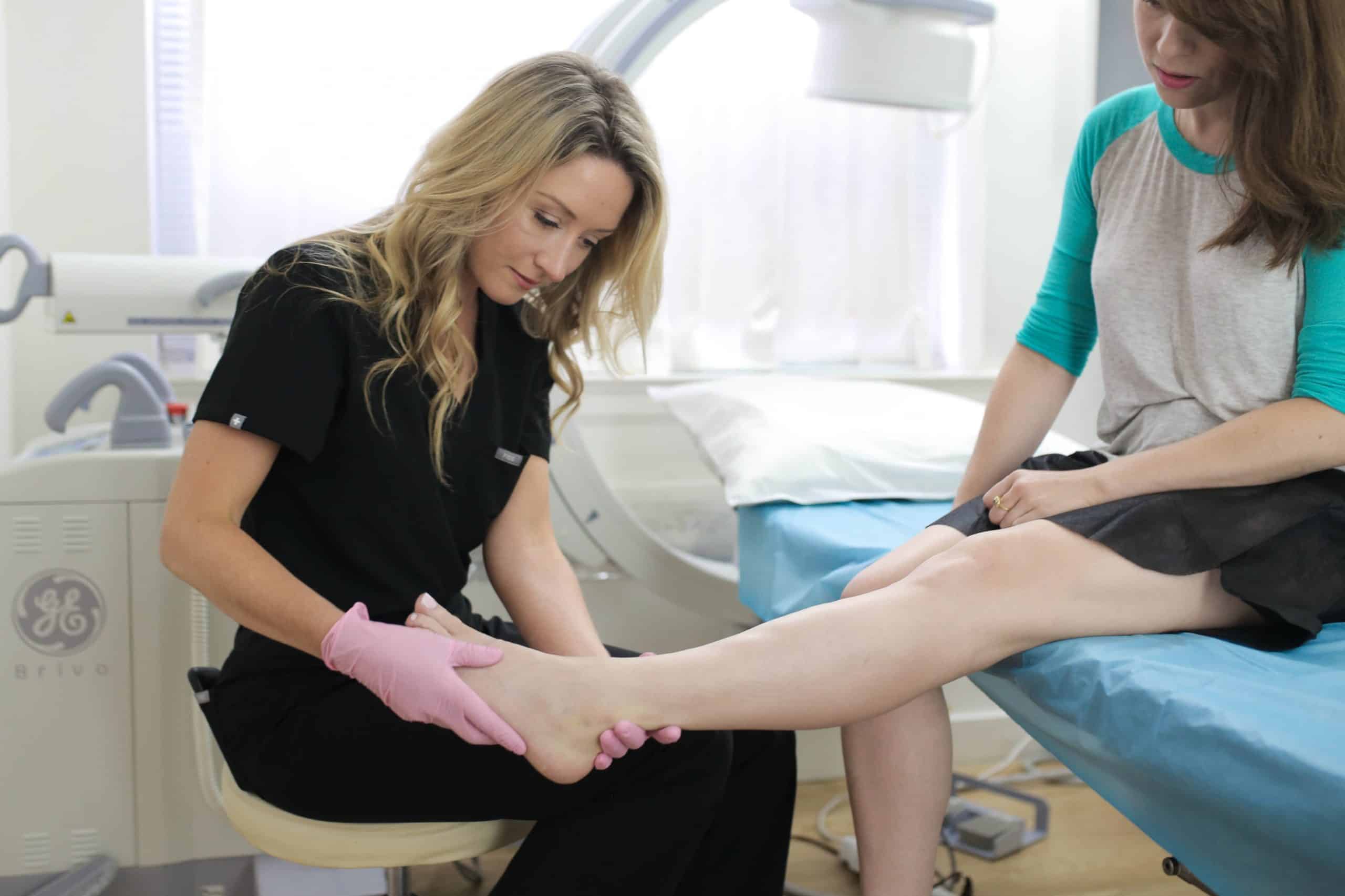
A vein treatment specialist is a physician with advanced training in diagnosing and managing vein disorders, including varicose veins and spider veins. These doctors often come from specialties like:
· Vascular Surgery
· Interventional Radiology
· Phlebology
· Dermatology (for cosmetic vein issues)
Each of these specialists has unique skills, but they all focus on restoring healthy blood flow and improving your vein health.
Why See a Vein Treatment Specialist for Varicose Veins?
While your primary care physician may identify the issue, a vein treatment specialist has the expertise and tools to offer effective, long-term solutions. These professionals focus specifically on venous insufficiency—a condition where blood pools in the veins instead of circulating back to the heart.
Here’s what makes seeing a specialist important:
· Accurate Diagnosis: Specialists use ultrasound and imaging techniques to identify the root cause of your vein issues.
· Personalized Treatment Plans: They tailor your treatment based on the severity of your condition and your overall health.
· Minimally Invasive Procedures: Today’s treatments, such as endovenous laser therapy and sclerotherapy, are quick, effective, and involve minimal recovery time.
Types of Doctors Who Can Be Vein Treatment Specialists
Several medical professionals can become vein treatment specialists, depending on their training and focus. Here’s a closer look:
1. Vascular Surgeons
Vascular surgeons treat conditions affecting the blood vessels. They handle both surgical and non-surgical treatment of varicose veins. If your case is severe or involves complications, a vascular surgeon may be your best option.
2. Interventional Radiologists
These specialists use imaging techniques to guide minimally invasive procedures. They often perform treatments like endovenous laser therapy or radiofrequency ablation, which seal off damaged veins and restore proper blood flow.
3. Phlebologists
Phlebology is the field dedicated entirely to vein health. A phlebologist is a certified vein treatment specialist who focuses on venous disorders. They typically treat varicose and spider veins and can offer cosmetic as well as medical solutions.
4. Dermatologists (for Cosmetic Concerns)
If your varicose veins are more of a cosmetic issue, a dermatologist with experience in vein treatments may be suitable. However, they may refer you to a vascular expert if the condition is more complex.
Signs You Should See a Vein Treatment Specialist
Not sure whether it’s time to see a specialist? Here are some signs you shouldn't ignore:
· Bulging, twisted veins visible under your skin
· Leg pain, heaviness, or swelling
· Itchy, burning sensation around the veins
· Skin discoloration or ulcers near the ankles
· Worsening symptoms after long periods of standing or sitting
These are clear indicators that your veins are not functioning properly, and a vein treatment specialist can help you take action before complications arise.
What to Expect During Your Visit
Your first visit to a vein treatment specialist will typically involve a thorough consultation and physical exam. You may undergo a duplex ultrasound to assess the blood flow in your veins. Based on the findings, the specialist will recommend one or more of the following treatments:
· Sclerotherapy: A solution is injected into the vein, causing it to collapse and fade.
· Laser Therapy: Heat is used to close off damaged veins.
· Radiofrequency Ablation: A catheter delivers radiofrequency energy to seal off the vein.
· Ambulatory Phlebectomy: Small incisions remove surface veins.
· Lifestyle Changes: Diet, exercise, and compression stockings may be recommended.
Benefits of Early Treatment by a Vein Treatment Specialist
Seeing a specialist early can make a big difference in your recovery and long-term vein health. Benefits include:
· Reduced pain and swelling
· Prevention of blood clots or ulcers
· Improved appearance of legs
· Better circulation and mobility
· Faster recovery through non-invasive methods
Delaying treatment could lead to chronic venous insufficiency or deep vein thrombosis—both of which carry serious health risks.
Conclusion
So, what kind of doctor treats varicose veins? The best choice is a vein treatment specialist—a healthcare professional with the training and technology to diagnose and manage vein disorders effectively. Whether you’re dealing with discomfort, swelling, or unsightly veins, seeking help from a specialist ensures you receive the right care at the right time.
Don’t let vein problems interfere with your daily life. Schedule a consultation with a vein treatment specialist and take the first step toward healthier, more comfortable legs.


Comments
Post a Comment