Vein Treatments for Spider and Varicose Veins: When to See a Vascular Doctor?
Spider and varicose veins are more than just cosmetic concerns. While many people live with them without major health issues, others experience discomfort, pain, or even serious complications. So, how do you know when it's time to seek professional help? Understanding when to see a vascular doctor is key to managing vein issues effectively and safely.
What Are Spider and Varicose Veins?
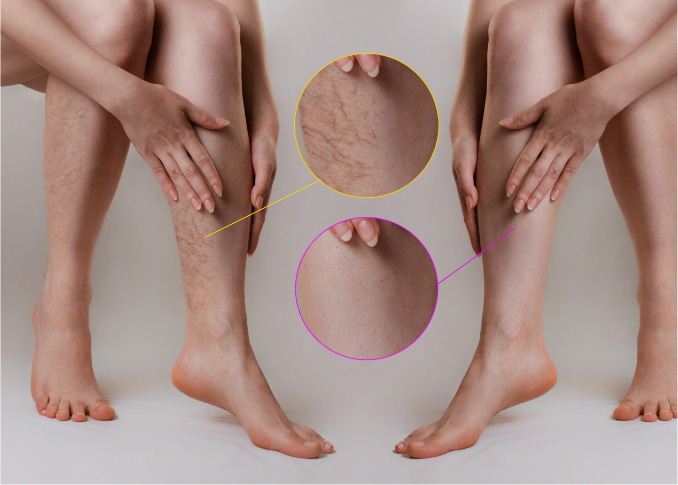
Before diving into treatments, it’s essential to understand what spider and varicose veins are. Spider veins are small, thin red or blue lines that appear near the surface of the skin, usually on the legs or face. They resemble a spider’s web and are typically harmless, although they can be unsightly.
Varicose veins, on the other hand, are larger, swollen veins that bulge above the skin’s surface. They often appear twisted and are most commonly found on the legs. These veins result from weakened or damaged valves that fail to circulate blood properly, causing blood to pool.
Common Symptoms to Watch For
You may wonder, when to see a vascular doctor for spider or varicose veins. In many cases, symptoms go beyond appearance. Here are some signs that indicate it’s time to seek medical attention:
- Aching or heavy legs
- Swelling in the ankles or calves
- Itching around the veins
- Skin discoloration
- Leg cramps, especially at night
- Ulcers or open sores near the ankle
If you experience any of these, especially if they worsen over time, you shouldn't delay a visit to a vascular specialist.
Who Is at Risk?
Several factors can increase your risk of developing spider or varicose veins:
- Family history
- Prolonged standing or sitting
- Pregnancy
- Obesity
- Hormonal changes
- Aging
Recognizing these risk factors helps you better understand when to see a vascular doctor before complications arise.
Why Early Diagnosis Matters
You might think spider veins are purely cosmetic and not worth worrying about. However, they can sometimes signal underlying venous insufficiency. Ignoring early warning signs can lead to chronic pain, blood clots, or skin ulcers.
Early diagnosis by a vascular doctor allows for more treatment options, many of which are non-invasive. Timely intervention can also prevent the progression of vein disease.
Vein Treatments for Spider and Varicose Veins
Fortunately, modern medicine offers several vein treatments for spider and varicose veins that are safe, effective, and often minimally invasive. Here are some of the most common options:
1. Sclerotherapy
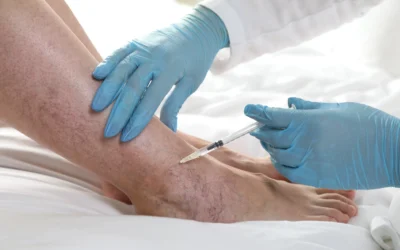
This is the most common treatment for spider veins and small varicose veins. A vascular doctor injects a special solution into the affected veins, causing them to collapse and fade over time. It's an outpatient procedure with minimal downtime.
2. Endovenous Laser Treatment (EVLT)
This laser-based technique treats larger varicose veins by delivering energy through a thin fiber inserted into the vein. The heat causes the vein to seal shut, and blood naturally reroutes to healthier veins.
3. Radiofrequency Ablation
Similar to EVLT, this treatment uses radiofrequency energy instead of laser. It’s ideal for patients with more significant vein issues and offers fast recovery with minimal discomfort.
4. Microphlebectomy
In this surgical procedure, small incisions are made to remove varicose veins. It's highly effective and often used when other treatments aren’t suitable.
5. Compression Therapy
While not a cure, compression stockings can help manage symptoms by improving blood flow and reducing swelling. A vascular doctor may recommend this as part of a comprehensive treatment plan.
When to See a Vascular Doctor for Vein Treatments
So, when is the right time to see a vascular doctor for spider or varicose veins? Here’s a checklist:
- When symptoms interfere with your daily activities
- When home remedies no longer provide relief
- When you notice skin changes, sores, or ulcers
- When you feel persistent pain or discomfort
- When you want to explore cosmetic or medical treatment options
A vascular specialist can evaluate your veins using ultrasound or other diagnostic tools to determine the severity and recommend the best treatment plan.
Prevention and Lifestyle Tips
Even after successful treatment, maintaining vein health is essential. Here are a few tips to prevent recurrence:
- Stay active with regular walking or low-impact exercise
- Avoid long periods of standing or sitting
- Elevate your legs when resting
- Maintain a healthy weight
- Wear compression stockings if recommended
These habits improve circulation and reduce the risk of new vein problems forming.
Conclusion:
Understanding when to see a vascular doctor can make all the difference in your health and quality of life. Whether you're dealing with unsightly spider veins or painful varicose veins, you don’t have to live with discomfort or uncertainty. Today's vein treatments for spider and varicose veins are effective, minimally invasive, and widely available.
If you're experiencing symptoms or just want a professional opinion, schedule a consultation with a vascular doctor. Early action leads to better outcomes and healthier legs for life.
Let me know if you'd like this optimized further for SEO (meta description, FAQs, or internal linking suggestions), or formatted for a specific platform (like WordPress or a newsletter).


Comments
Post a Comment