What Kind of Doctor is a Vein Specialist?
When you search for vein treatment in New Jersey, it's important to know exactly who you're trusting with your care. Chronic vein issues like varicose veins, spider veins, or venous insufficiency require expert attention. But What Kind of Doctor is a Vein Specialist in treating these conditions?
This article will guide you through who vein specialists are, their qualifications, and what to expect when seeking vein treatment in New Jersey.
Who is a Vein Specialist?
A vein specialist is a doctor who focuses on diagnosing and treating venous diseases. These professionals are often board-certified in specialties such as vascular surgery, interventional radiology, or internal medicine. However, they undergo additional training specifically in vein care and minimally invasive vein procedures.
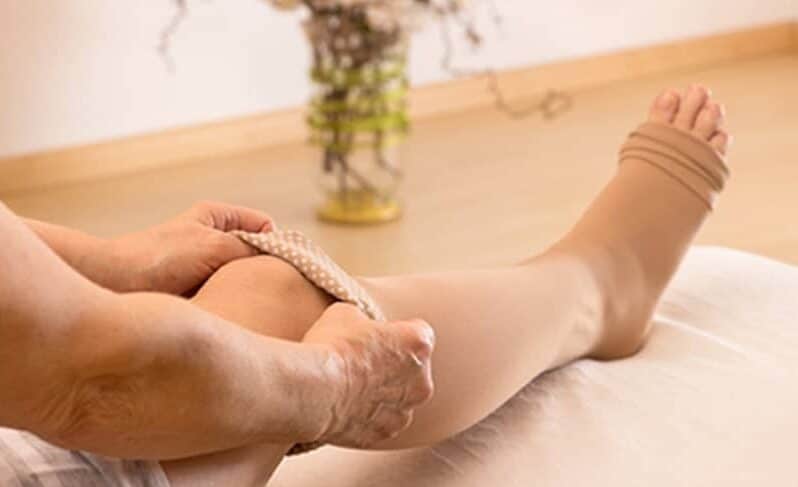
In New Jersey, many vein specialists have backgrounds in:
- Vascular Surgery: Surgeons who operate on arteries and veins.
- Interventional Radiology: Doctors who use image-guided tools to treat vein issues without traditional surgery.
- Phlebology: A dedicated field for the diagnosis and treatment of vein disorders.
The ideal vein specialist combines advanced medical training with state-of-the-art technology to provide precise and comfortable treatments.
Why See a Vein Specialist Instead of a General Doctor?
While a general physician can identify signs of venous disease, they often refer patients to vein specialists for advanced care. That’s because vein specialists use specialized diagnostic tools like ultrasound imaging to understand blood flow and locate vein abnormalities.
Choosing a vein specialist for your vein treatment in New Jersey ensures:
- Accurate Diagnosis: Specialists can identify the root cause, not just visible symptoms.
- Minimally Invasive Options: Treatments like sclerotherapy, radiofrequency ablation, and endovenous laser therapy.
- Long-Term Relief: Addressing the underlying issue reduces recurrence.
What Conditions Does a Vein Specialist Treat?
A vein specialist treats a wide range of venous disorders, including:
- Varicose Veins: Enlarged, twisted veins often visible on the legs.
- Spider Veins: Small, web-like red or blue veins near the surface of the skin.
- Chronic Venous Insufficiency: Poor blood flow causing leg swelling, pain, or skin changes.
- Deep Vein Thrombosis (DVT): A dangerous condition involving blood clots in deep veins.
- Leg Ulcers Caused by Poor Circulation
In New Jersey, where long work hours and lifestyle choices can impact vein health, it’s essential to have easy access to high-quality vein treatment services.
How Does a Vein Specialist Diagnose Venous Disease?
When you visit a clinic for vein treatment in New Jersey, the doctor will first take a full medical history and perform a physical exam. From there, they may order a duplex ultrasound—a painless test that uses sound waves to create images of your veins and assess blood flow.
This detailed approach allows your specialist to tailor a treatment plan that suits your specific condition and health goals.
What Are the Common Vein Treatments Available in New Jersey?
Modern vein treatment in New Jersey clinics offer cutting-edge procedures that are quick, effective, and require little to no downtime. Common treatments include:
- Sclerotherapy: A solution is injected into small veins, causing them to collapse and fade.
- Endovenous Laser Therapy (EVLT): Laser energy seals problematic veins.
- Radiofrequency Ablation (RFA): Heat energy closes off faulty veins.
- Ambulatory Phlebectomy: Small varicose veins are removed through tiny incisions.
- VenaSeal™: A medical adhesive seals off damaged veins.
Most treatments are performed in-office and take under an hour. You can walk out the same day and return to normal activities shortly after.
How to Choose the Right Vein Treatment Clinic in New Jersey
When looking for vein treatment in New Jersey, don’t settle for just any clinic. Here’s what to consider:
- Board Certification: Make sure the vein specialist is board-certified and experienced.
- Modern Technology: Clinics should use ultrasound, lasers, and minimally invasive tools.
- Patient Reviews: Read testimonials and look for positive outcomes.
- Customized Care: The best specialists offer individualized treatment plans, not a one-size-fits-all approach.
Additionally, ensure the clinic handles insurance paperwork, especially if your treatment is medically necessary.
Is Vein Treatment Covered by Insurance?
In many cases, vein treatment New Jersey is covered by insurance, especially when the condition causes pain, swelling, or skin damage. Cosmetic treatments (like spider veins) may not be covered, but treatments for varicose veins or venous insufficiency usually are.
Always check with your provider and the clinic’s billing department for detailed coverage information.
Take the First Step Toward Healthier Legs
If you're experiencing leg pain, swelling, or unsightly veins, don’t ignore the signs. A vein specialist can help you get back on your feet—literally and figuratively. With so many modern and minimally invasive options available for vein treatment in New Jersey, there’s no reason to wait.
Schedule a consultation with a qualified vein specialist today and take the first step toward healthier, more comfortable legs.


Comments
Post a Comment