Are Varicose Veins Covered by Insurance? Vein Treatment New Jersey Explains
Many people suffer from varicose veins, but the question often arises: Are varicose veins covered by insurance? Vein Treatment New Jersey addresses this concern by offering clarity on insurance coverage, treatment options, and what qualifies as medically necessary care. If you live with pain, swelling, or visible veins, knowing your insurance rights could help you access life-changing treatment without breaking the bank.
Understanding Varicose Veins
Varicose veins are enlarged, twisted veins that often appear on the legs or feet. They occur when the valves in your veins stop working properly, causing blood to pool. This can lead to discomfort, throbbing, heaviness, and even serious health complications if left untreated.
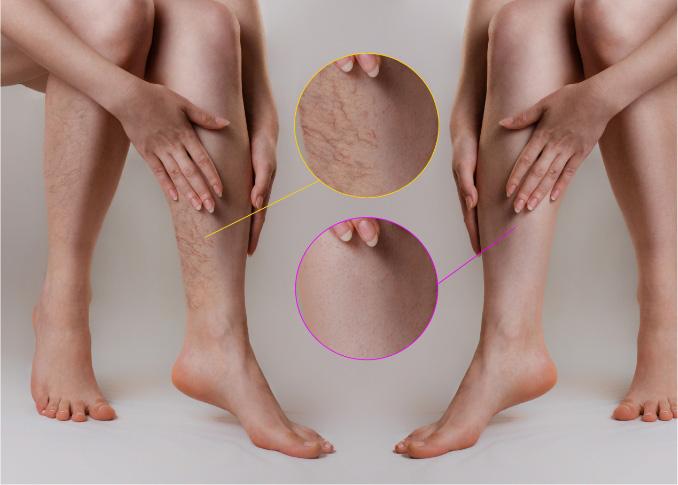
Though they’re sometimes viewed as cosmetic, varicose veins are often a sign of underlying chronic venous insufficiency (CVI). That’s why it’s crucial to understand the medical implications and your insurance options.
Medical Necessity vs. Cosmetic Treatment
The main factor that determines whether insurance covers varicose vein treatment is medical necessity. If you only want treatment for cosmetic reasons, such as improving the appearance of your legs, most insurance plans will not cover it. However, if your varicose veins cause pain, swelling, skin discoloration, or ulcers, then treatment is usually considered medically necessary.
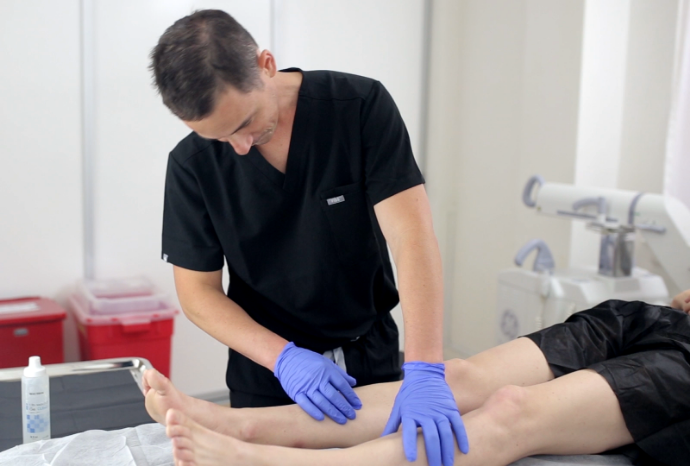
At Vein Treatment New Jersey, board-certified vein doctors perform a detailed vein evaluation, including ultrasound imaging, to determine the severity of your condition. They document symptoms and test results to support your insurance claim, increasing your chances of approval.
What Types of Varicose Vein Treatments Are Covered?
So, are varicose veins covered by insurance? Vein Treatment New Jersey wants you to know that yes, many treatments are covered, especially when they are medically necessary. Here are the most commonly covered procedures:
1. Endovenous Laser Treatment (EVLT)
This minimally invasive laser procedure treats the underlying vein by sealing it shut. It’s quick, safe, and has a high success rate. Most major insurance providers, including Medicare and private plans, cover EVLT when it treats venous insufficiency.
2. Radiofrequency Ablation (RFA)
RFA uses thermal energy to close damaged veins. Like EVLT, it’s considered a medically necessary procedure when symptoms are present. Insurance typically covers this option, and it requires minimal downtime.
3. Sclerotherapy
This involves injecting a solution into smaller varicose or spider veins. While often considered cosmetic, sclerotherapy may be covered when used to treat symptoms like burning, itching, or aching.
4. VenaSeal
A newer, non-thermal method that uses medical adhesive to seal the affected vein. Some insurers cover this procedure under specific criteria.
At Vein Treatment New Jersey, insurance coordinators work directly with your provider to determine which treatment options are covered and help you receive maximum benefits.
How to Qualify for Insurance Coverage
To qualify for insurance coverage for varicose vein treatment, you’ll need to meet certain requirements. Most insurance providers follow similar guidelines, including:
· Documented symptoms: pain, swelling, itching, cramping, or heaviness in the legs
· Failed conservative treatment: such as wearing compression stockings for 6–12 weeks
· Ultrasound confirmation of venous reflux or valve dysfunction
· Physician recommendation stating the medical necessity of treatment
The team at Vein Treatment New Jersey handles all of this for you, from diagnostic testing to submitting detailed insurance documentation.
What Insurance Plans Typically Cover Vein Treatment?
Coverage may vary by provider, but the following commonly include varicose vein treatment:
· Medicare
· Medicaid (in some cases)
· Blue Cross Blue Shield
· Aetna
· Cigna
· UnitedHealthcare
· Horizon NJ Health
Each plan has its own requirements and processes, so it’s best to have your case reviewed by a specialist.
Vein Treatment New Jersey offers free insurance verification before your appointment, so you know exactly what is and isn’t covered.
Why Choose Vein Treatment New Jersey?
If you're still asking, are varicose veins covered by insurance?, Vein Treatment New Jersey makes the process seamless. Their highly trained vascular specialists not only provide cutting-edge care but also guide you through the insurance process.
Here’s what sets them apart:
· Board-certified vein doctors
· In-office, minimally invasive treatments
· State-of-the-art ultrasound diagnostics
· Insurance specialists on-site
· Multiple convenient locations in New Jersey
Their mission is to make vein care accessible, affordable, and effective for all patients.
Final Thoughts
So, are varicose veins covered by insurance? Vein Treatment New Jersey confirms that in many cases, they are — especially when your condition is painful or medically significant. Don’t let uncertainty stop you from seeking care. Schedule a consultation, verify your insurance, and explore the treatment options available to you.
When left untreated, varicose veins can worsen over time. With professional help and the right documentation, you can get the relief you need — and likely have it covered by your insurance.


Comments
Post a Comment