What Kind of Doctor Treats Varicose Veins?
Varicose veins affect millions of people across the United States, causing discomfort, swelling, and unsightly bulges beneath the skin. If you’re looking for help in New Jersey, the good news is that expert care is widely available. But one question patients often ask is: What kind of doctor treats varicose veins? Understanding the right specialist to see is the first step to successful recovery and lasting results.
Understanding Varicose Veins
Before diving into the types of doctors, it’s important to understand what varicose veins are. These are enlarged, twisted veins that typically appear in the legs and feet. They form when valves in the veins malfunction, causing blood to pool instead of flowing efficiently back to the heart. This condition can lead to pain, heaviness, aching, swelling, and even skin ulcers if left untreated.
Vein Treatment in New Jersey: Why It Matters
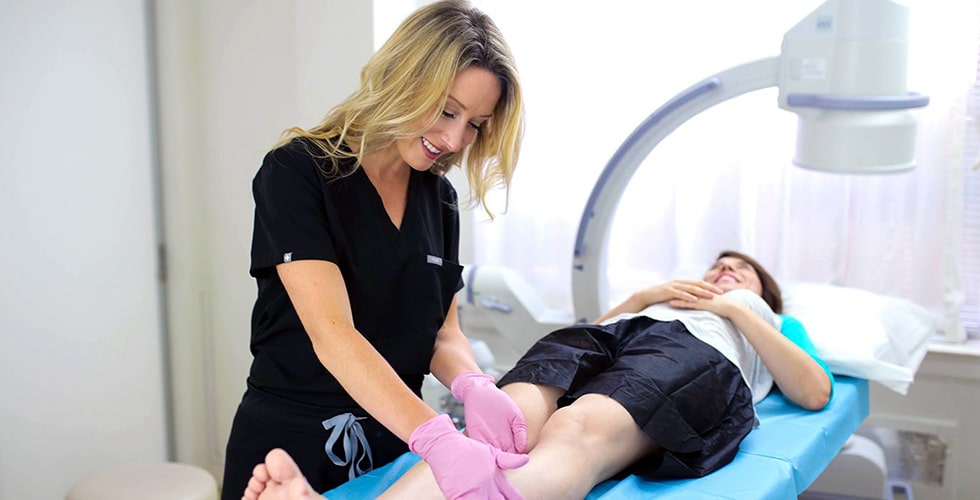
Vein treatment in New Jersey offers state-of-the-art options for patients dealing with varicose veins. Whether you live in a busy urban area or a quiet suburb, New Jersey provides access to experienced vein specialists and modern technologies. Choosing the right doctor in your area ensures faster recovery, better outcomes, and improved quality of life.
What Kind of Doctor Treats Varicose Veins?
When it comes to treating varicose veins, not every doctor is equally qualified. Several types of specialists are trained to handle this condition, but a vein specialist, also known as a phlebologist, is typically the best choice. Here are the main types of doctors who treat varicose veins:
1. Phlebologists (Vein Specialists)
Phlebologists specialize in diagnosing and treating vein disorders, including varicose and spider veins. They focus exclusively on venous conditions and use minimally invasive procedures like sclerotherapy, endovenous laser treatment (EVLT), and radiofrequency ablation (RFA). These doctors stay updated on the latest vein treatment technologies and are usually board-certified in their field.
2. Vascular Surgeons
Vascular surgeons handle a wide range of vascular problems, including arteries and veins. While they are fully qualified to treat varicose veins, they may also deal with more complex circulatory system conditions. They perform surgeries when necessary but also offer minimally invasive vein treatments.
3. Interventional Radiologists
These specialists use imaging techniques to guide small instruments through blood vessels and treat vein disorders. They often work alongside vein clinics to perform image-guided treatments like venous ablation. While highly trained, not all interventional radiologists focus on veins, so it's important to find one with experience in varicose vein treatment.
4. Dermatologists with Vein Experience
Some dermatologists offer cosmetic vein treatments, especially for spider veins or smaller surface-level varicose veins. They often use sclerotherapy or laser therapy, but may refer patients with more advanced vein disease to phlebologists or vascular surgeons.
What to Look for in a Vein Treatment Specialist in New Jersey
If you're considering vein treatment in New Jersey, selecting the right doctor makes all the difference. Look for a specialist with:
- Board certification in phlebology, vascular surgery, or interventional radiology
- Experience with modern techniques, such as EVLT, RFA, and ultrasound-guided sclerotherapy
- Positive patient reviews and a strong reputation in your local community
- Personalized treatment plans tailored to your unique condition
- A focus on minimally invasive outpatient procedures with quick recovery times
Advanced Vein Treatments Available in New Jersey
One of the biggest advantages of seeking vein treatment in New Jersey is access to advanced care. Many vein clinics across the state offer cutting-edge solutions, including:
- Endovenous Laser Therapy (EVLT): Uses laser energy to seal the affected vein
- Radiofrequency Ablation (RFA): Utilizes heat to close damaged veins
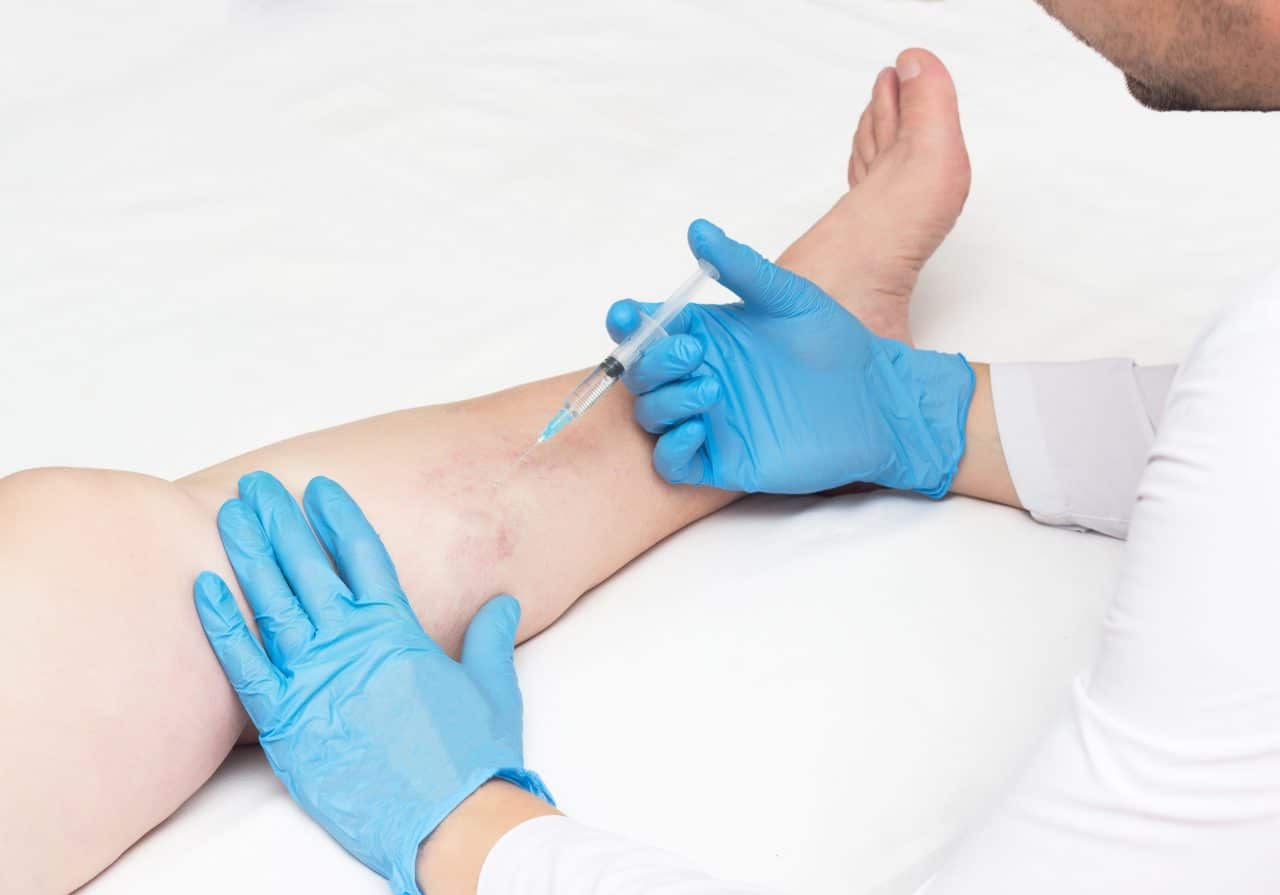
- Sclerotherapy: A saline or chemical solution is injected to collapse the vein
- VenaSeal Closure System: A medical adhesive seals off the faulty vein
- Ultrasound-Guided Procedures: Ensures precise and effective treatment
These methods require little to no downtime, making them ideal for busy lifestyles.
Don’t Ignore the Signs—Get Treated Early
Many people wait too long before seeking treatment for varicose veins, thinking the symptoms are merely cosmetic or will go away. However, untreated vein issues can lead to serious complications, such as blood clots, leg ulcers, or chronic venous insufficiency. If you notice any signs of varicose veins—aching legs, swelling, visible bulging veins—it’s time to schedule a consultation with a vein specialist.
Take the First Step Toward Healthier Legs
If you live in the Garden State and suffer from vein problems, now is the time to act. The options for vein treatment New Jersey are comprehensive, modern, and effective. From phlebologists to vascular surgeons, you have access to the best care to restore your comfort and confidence.
Final Thoughts
So, what kind of doctor treats varicose veins? The answer is clear: seek out a qualified vein specialist in New Jersey with experience and a patient-centered approach. With the right treatment, you can say goodbye to pain, heaviness, and discomfort—and hello to healthy, beautiful legs.


Comments
Post a Comment