What Are the Most Effective Treatments for Varicose Veins?
Varicose veins affect millions of people every year, causing discomfort, swelling, and in some cases, more serious health issues. These bulging, twisted veins typically appear in the legs and can result from weakened vein walls or faulty valves that prevent blood from flowing efficiently. While some people may view them as a cosmetic concern, untreated varicose veins can lead to chronic pain, skin changes, or even blood clots. Thankfully, modern medicine offers a range of effective treatments, and seeking guidance from a vein treatment specialist is the first step toward lasting relief. At Vein Treatment New Jersey, we specialize in advanced, minimally invasive procedures that restore both function and appearance.
Understanding Varicose Vein Treatments
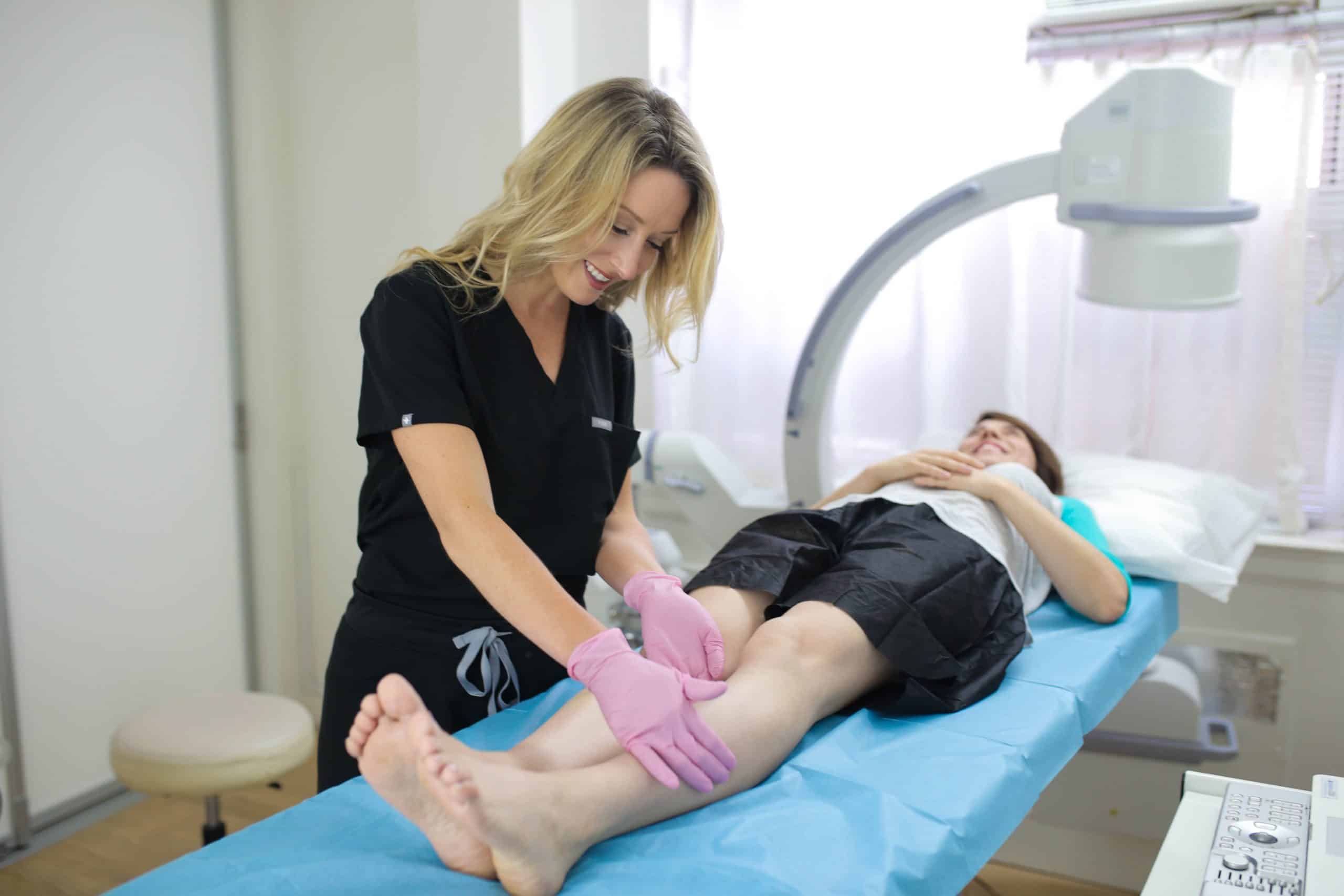
Treatment for varicose veins varies depending on severity, symptoms, and patient goals. While lifestyle changes like exercise, leg elevation, and compression stockings can help relieve mild discomfort, they often do not address the underlying vein dysfunction. For long-term results, medical interventions performed by a vein treatment specialist are often necessary.
-
Sclerotherapy
Sclerotherapy is a widely used treatment for smaller varicose veins and spider veins. During the procedure, a specialist injects a solution directly into the affected veins. This solution irritates the vein walls, causing them to collapse and gradually fade from view. Patients typically notice improvement within a few weeks, and multiple sessions may be recommended for optimal results. Sclerotherapy is minimally invasive, requires no anesthesia, and allows patients to resume normal activities almost immediately. -
Endovenous Laser Therapy (EVLT)
EVLT uses targeted laser energy to close off larger varicose veins. A small fiber is inserted into the vein, and the laser delivers precise heat that seals it shut. Over time, the body reroutes blood flow to healthy veins, and the treated vein gradually disappears. EVLT is highly effective, minimally painful, and performed in an outpatient setting. It has become a preferred treatment option for many patients at Vein Treatment New Jersey due to its quick recovery time and long-lasting results. -
Radiofrequency Ablation (RFA)
Radiofrequency ablation operates on a principle similar to EVLT but uses radiofrequency energy instead of a laser. A thin catheter is guided into the affected vein, delivering controlled energy that closes it permanently. Patients often experience immediate symptom relief and can return to regular activities within a few days. Both EVLT and RFA are excellent choices for patients with moderate to severe varicose veins, offering an effective alternative to traditional vein stripping surgery. -
Ambulatory Phlebectomy
For veins located near the surface of the skin, ambulatory phlebectomy provides a safe and efficient solution. In this procedure, a vein treatment specialist makes tiny incisions to remove varicose veins directly. The procedure is performed under local anesthesia, minimizing downtime and discomfort. Phlebectomy is especially useful for veins that cause visible bulging or localized pain. -
Lifestyle Measures and Preventive Care
Even after medical treatment, patients benefit from preventive strategies to reduce recurrence. Regular exercise improves circulation, weight management alleviates pressure on the legs, and compression stockings support vein function. Following these practices under the guidance of a vein treatment specialist ensures long-term vein health.
Are Varicose Veins Covered by Insurance?
Many patients wonder, “Are varicose veins covered by insurance?” The answer depends on the nature of the treatment and whether the veins cause medical symptoms. Insurance typically covers procedures deemed medically necessary—such as when varicose veins result in pain, swelling, ulcers, or blood clots. Cosmetic treatments, however, are usually not covered. A consultation with a vein treatment specialist at Vein Treatment New Jersey can help determine insurance eligibility and guide patients through the pre-authorization process to maximize coverage.
Why Choose a Vein Treatment Specialist?
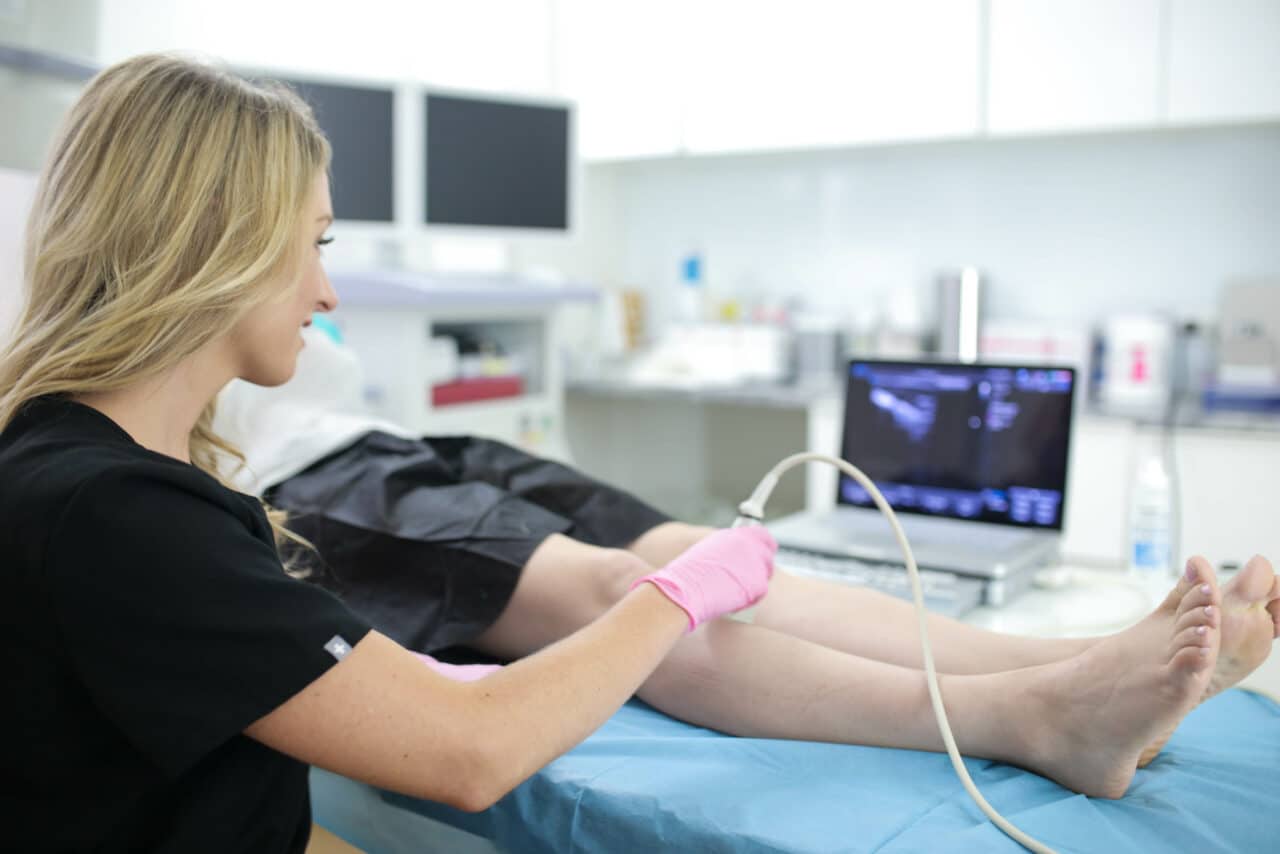
Selecting an experienced vein treatment specialist is critical for safe, effective results. Specialists undergo advanced training in minimally invasive vein procedures, understand vein anatomy thoroughly, and tailor treatments to individual patient needs. At Vein Treatment New Jersey, our team evaluates each patient comprehensively, recommends the most appropriate therapy, and ensures a personalized treatment plan that addresses both symptoms and cosmetic concerns.
Conclusion
Varicose veins no longer require lengthy surgeries or prolonged recovery periods. With modern techniques such as sclerotherapy, EVLT, RFA, and ambulatory phlebectomy, patients can achieve relief, improved circulation, and smoother leg appearance. Combining these treatments with lifestyle changes further enhances outcomes and reduces recurrence. For those asking, “Are varicose veins covered by insurance?” understanding your coverage options and consulting a qualified vein treatment specialist ensures you receive the care you need without unnecessary stress.


Comments
Post a Comment