How Do Vein Doctors Diagnose and Treat Varicose Veins?
Varicose veins are a common vascular condition that affects millions of adults worldwide. These swollen, twisted veins often appear in the legs and can cause discomfort, pain, and even more serious health complications if left untreated. Understanding how vein doctors diagnose and treat varicose veins is essential for anyone experiencing these symptoms. At Vein Treatment Clinic, our team of experienced vein treatment doctors provides comprehensive care tailored to each patient’s needs.
What Kind of Doctor is a Vein Specialist?
A vein specialist, also known as a phlebologist or vascular specialist, focuses on diagnosing and treating venous disorders, including varicose veins and spider veins. Unlike general practitioners, vein treatment doctors have specialized training in minimally invasive procedures and advanced imaging technologies to evaluate vein health. These experts not only address cosmetic concerns but also prevent complications such as blood clots, skin ulcers, and chronic venous insufficiency.
How Vein Doctors Diagnose Varicose Veins
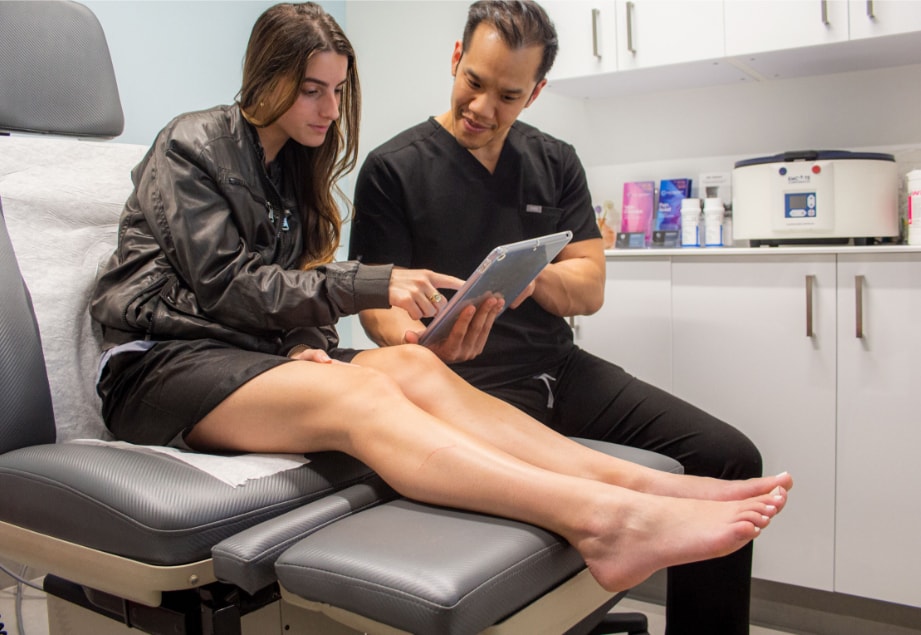
Diagnosis begins with a thorough medical history and physical examination. During this step, the doctor assesses symptoms like aching, swelling, heaviness, and visible vein enlargement. They also ask about risk factors, including family history, pregnancy, obesity, and lifestyle habits.
Ultrasound Imaging
The most common diagnostic tool used by vein treatment doctors is a duplex ultrasound. This non-invasive test allows the doctor to visualize blood flow, identify faulty valves, and locate any blood clots. By using high-frequency sound waves, ultrasound provides real-time information about the structure and function of the veins, ensuring an accurate diagnosis.
Additional Diagnostic Methods
In some cases, doctors may recommend venography or other imaging techniques to obtain a detailed view of deeper veins. These tests are particularly useful for patients with complex venous issues or when surgery may be required. At Vein Treatment Clinic, our specialists always tailor the diagnostic approach to the patient’s specific condition.
Treatment Options for Varicose Veins
Once diagnosed, treatment focuses on reducing symptoms, preventing complications, and improving the appearance of affected veins. Vein treatment doctors at Vein Treatment Clinic use a range of minimally invasive and non-surgical options.
Endovenous Laser Therapy (EVLT)
EVLT is a minimally invasive procedure that uses laser energy to close the diseased vein. The treated vein naturally shrinks and is eventually absorbed by What Kind of Doctor is a Vein Specialist to healthy veins. This method is highly effective and requires little to no downtime.
Sclerotherapy
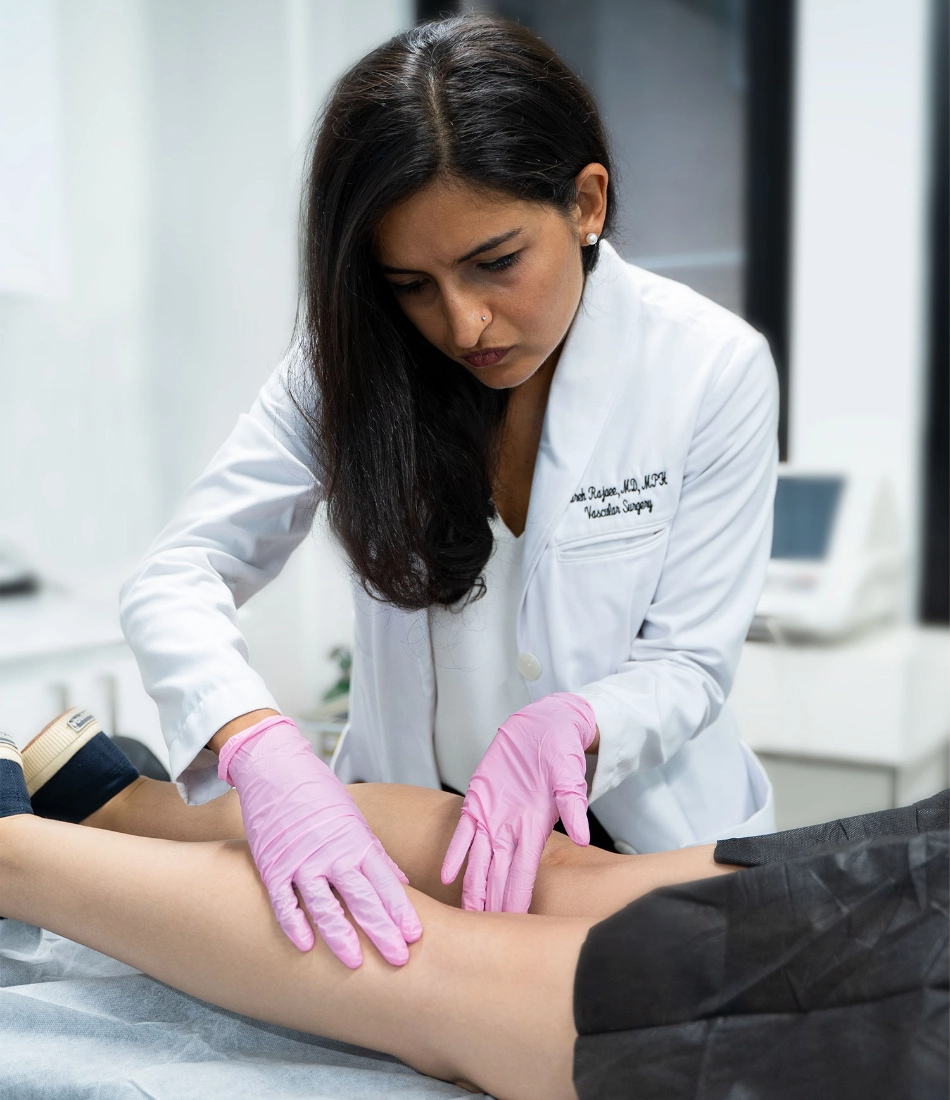
Sclerotherapy involves injecting a special solution directly into the varicose vein. This solution irritates the vein lining, causing it to collapse and fade over time. Sclerotherapy is particularly effective for smaller varicose veins and spider veins.
Ambulatory Phlebectomy
For larger veins that protrude significantly, ambulatory phlebectomy allows doctors to remove them through tiny incisions. This outpatient procedure minimizes scarring and promotes faster recovery.
Lifestyle Recommendations
In addition to medical treatments, vein treatment doctors recommend lifestyle changes to support vein health. Regular exercise, maintaining a healthy weight, elevating the legs, and wearing compression stockings can reduce symptoms and prevent new varicose veins from forming.
Why Choose Vein Treatment Clinic
At Vein Treatment Clinic, our team of board-certified vein treatment doctors combines advanced technology with personalized care. We emphasize accurate diagnosis, effective treatment, and ongoing patient education to ensure long-term vein health. Whether you are seeking relief from discomfort or improving the appearance of your legs, our specialists provide solutions tailored to your needs.


Comments
Post a Comment